162 VAV boxes under digital control, with a quick ROI.
FMC Technologies and EnergySource cut electrical consumption at 160 Gould Street by 291,000 kWh a year.
- Client
- Cushman & Wakefield
- Location
- Needham, MA
- Sector
- Commercial office
- Scope
- EMS retrofit, 162 VAV boxes, 139,000 sq ft
The complaint.
A 1986 building running behind on efficiency and comfort.
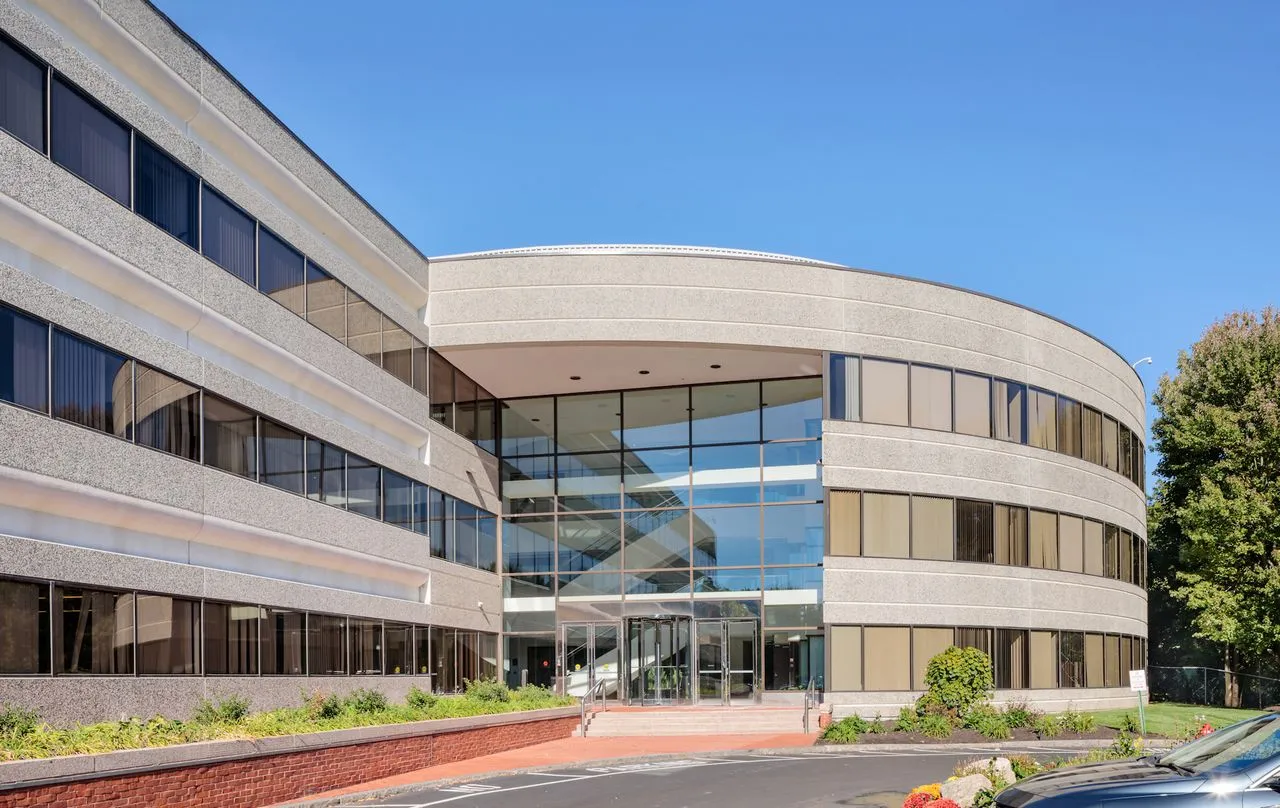
Cushman & Wakefield, the property managers for 160 Gould Street in Needham, Massachusetts, wanted to upgrade the building. The three-story, 139,000 square foot property went up in 1986, and neither its operating efficiency nor its tenant experience was meeting expectations.
Cushman & Wakefield brought in EnergySource and FMC for their experience with cost-effective building system retrofits. The brief: reduce electrical energy usage without compromising tenant comfort.
What stood in the way
- A three-story, 139,000 sq ft property built in 1986
- Operating efficiency below what the owners expected
- A tenant experience that was not meeting expectations
- Savings had to come without compromising comfort
- Any retrofit had to clear the owner's ROI guidelines
What we did.
162 VAV boxes and four control sequences.
FMC evaluated 160 Gould Street for retrofit opportunities that fit Cushman & Wakefield's objectives, budget, and ROI guidelines. Based on that evaluation, FMC added 162 variable air volume (VAV) terminal boxes throughout the building, tied them to the rooftop units (RTUs), and put each box under direct digital control through the EMS. The EMS provides remote, centralized HVAC control with custom programming. Four control sequences carry the savings.
Scope of work
- 162 VAV terminal boxes added throughout the building
- Every box tied back to the rooftop units
- Direct digital control on each box through the EMS
- Remote, centralized HVAC control with custom programming
- Four control sequences carrying the savings
Optimized fan speed and pressure settings to reduce unnecessary air movement while maintaining comfort levels throughout the building.
Automated temperature adjustments for VAV terminal units during off-hours, eliminating energy waste when the building is unoccupied.
Rooftop units cycle at night, with gas heat brought on during winter months to balance comfort and efficiency.
Control sequences that favor outdoor air for ventilation and cooling, reducing mechanical cooling and heating loads.
The result.
Over $33,000 a year, per the utility's assessment.
The results showed up immediately. Electrical consumption dropped by 291,000 kWh a year, and the local utility company's assessment determined the reduction will add up to over $33,000 in cost savings each year. The new sequences cut fan power use and electric heating and cooling loads.
Direct digital control over the RTUs and VAV terminal boxes gave the site better control and monitoring of temperatures. Cushman & Wakefield got the ROI they needed and better comfort for their tenants.
What changed for the building
- Fan power use and electric heating and cooling loads cut
- Direct digital control over the RTUs and every VAV box
- Better temperature control and monitoring across the site
- The ROI Cushman & Wakefield needed to justify the work
- A more comfortable building for the tenants in it
Ready to optimize your building?
We can tell you what a retrofit like this would look like in your building, and what it would save.